
Find Lasting Relief from Jaw Pain with Personalized TMJ Treatment

Jaw pain can affect nearly every part of your day. It may hurt to chew, make it difficult to yawn, cause headaches that never seem to go away, or even create pain around your ears and neck. Many people assume these symptoms are simply part of getting older or living with stress, but they are often caused by a disorder affecting the temporomandibular joint, commonly referred to as TMJ or TMD.
At Brit Phillips, DDS, we help patients throughout Fort Worth, Arlington, Benbrook, Aledo, Burleson, Keller, Hurst, Euless, Grapevine, and surrounding communities find the source of their jaw pain and develop a treatment plan designed specifically for them. Because every patient experiences TMJ differently, there is no one-size-fits-all solution. The first step is understanding exactly why your jaw hurts.
Whether your symptoms have just begun or you’ve struggled with jaw pain for years, Dr. Brit Phillips will work with you to identify the underlying cause and recommend treatment focused on relieving discomfort, improving jaw function, and helping you return to everyday activities with confidence.
What is TMJ?
The temporomandibular joints connect your lower jaw to your skull and are among the most frequently used joints in your body. Every time you speak, eat, yawn, smile, or swallow, these joints are working together with muscles, ligaments, and cartilage to create smooth jaw movement.
When something interferes with this system, patients may develop temporomandibular joint disorder (TMD), often simply called TMJ.
TMJ disorders can affect one or both joints and may involve the joint itself, the surrounding muscles, or both. While some people experience only occasional discomfort, others develop chronic pain that interferes with work, sleep, eating, and daily life.
Dr. Brit Phillips’ Approach to TMJ Treatment
One of the biggest misconceptions Dr. Phillips sees is that every patient with jaw pain has the same problem.
In reality, jaw discomfort can come from many different sources. Some patients are clenching or grinding their teeth while they sleep. Others have muscle inflammation caused by stress. Some have arthritis within the jaw joint, while others have bite problems that place excessive pressure on the temporomandibular joint every time they chew.
Because the causes vary, the treatment should vary as well.
Rather than simply treating symptoms, Dr. Phillips focuses on identifying the underlying cause of your discomfort before recommending treatment. This individualized approach often produces better long-term results than simply masking pain with medication.
What Happens During Your TMJ Evaluation?
Your evaluation begins with a conversation about your symptoms.
Dr. Phillips will ask questions such as:
- When did the pain begin?
- Is the discomfort constant or intermittent?
- Does your jaw click, pop, or lock?
- Do headaches occur in the morning?
- Have you noticed teeth grinding?
- Does chewing make symptoms worse?
- Have you experienced previous jaw injuries?
A comprehensive examination may include evaluating:
- Jaw movement
- Bite alignment (occlusion)
- Joint sounds
- Tenderness of the jaw muscles
- Signs of nighttime grinding
- Tooth wear patterns
- Jaw muscle enlargement
- Range of motion
- Areas of facial pain
This detailed evaluation allows Dr. Phillips to determine whether your symptoms are truly related to TMJ or another condition requiring different treatment.
Common Symptoms of TMJ Disorders
TMJ disorders affect much more than the jaw.
Patients frequently experience:
- Jaw pain or soreness
- Clicking or popping when opening the mouth
- Jaw locking
- Pain while chewing
- Difficulty opening fully
- Morning jaw stiffness
- Frequent headaches
- Pain behind the eyes
- Earaches
- Ringing in the ears (tinnitus)
- Neck pain
- Shoulder tension
- Facial muscle fatigue
Many patients are surprised to learn that headaches or ear discomfort may actually originate from the jaw joint rather than the head or ears themselves.
What Causes TMJ?
TMJ disorders rarely have a single cause.
Instead, several factors often contribute to the problem.
Common causes include:
Teeth Grinding (Bruxism)
Grinding or clenching places tremendous pressure on the jaw joints and surrounding muscles. Many people grind while sleeping without realizing it until symptoms develop.
Stress
Stress often causes unconscious jaw clenching throughout the day, increasing muscle fatigue and joint inflammation.
Bite Problems
When teeth do not fit together properly, excessive stress may be placed on the jaw joint during chewing.
Arthritis
Both osteoarthritis and rheumatoid arthritis can affect the temporomandibular joint, causing pain and stiffness.
Trauma
Previous injuries involving the jaw, face, or neck may damage the joint or surrounding structures.
Muscle Overuse
Chewing gum constantly, biting fingernails, chewing ice, or eating hard foods can place unnecessary strain on the jaw.
Frequently Asked Questions
Coverage varies depending on your dental or medical insurance plan. Our team will gladly help you understand your available benefits.
Yes. While TMJ issues are more common in adults, children and teens can develop them due to teeth grinding, jaw injuries, or misaligned bites. Early intervention can prevent long-term complications and improve jaw development.
Absolutely. Simple adjustments like avoiding chewy or hard foods, practicing stress reduction techniques, maintaining proper posture, and doing gentle jaw exercises can reduce strain on the temporomandibular joint and lessen discomfort.
TMJ or Something Else?
Not every patient with jaw pain has TMJ.
Some conditions that can mimic TMJ include:
- Tooth infections
- Sinus infections
- Ear infections
- Trigeminal neuralgia
- Muscle strain
- Migraine headaches
- Dental abscesses
This is why an accurate diagnosis is so important before beginning treatment.
TMJ Treatment Options
Treatment depends entirely on the underlying cause of your symptoms.
Dr. Phillips develops individualized treatment plans that may include one or several therapies.
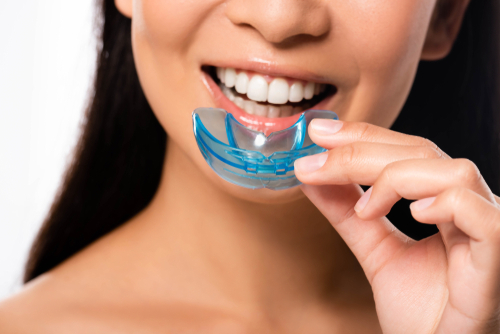
Custom Oral Appliances
A professionally fabricated occlusal splint or night guard helps reduce pressure on the jaw while protecting teeth from grinding.
Unlike over-the-counter mouthguards, custom appliances are designed specifically for your bite.
Bite Adjustments
If bite imbalance contributes to your symptoms, carefully planned adjustments may help improve how your teeth come together.
Lifestyle Changes
Small daily changes often make a significant difference.
Recommendations may include:
- Eating softer foods temporarily
- Limiting gum chewing
- Avoiding hard candy
- Improving posture
- Taking breaks during prolonged talking
- Applying moist heat
Jaw Exercises
Specific stretching and strengthening exercises can improve mobility while reducing muscle tension.
Medication
Depending on your symptoms, anti-inflammatory medications or muscle relaxants may be recommended as part of your overall treatment plan.
Common Mistakes Patients Make
Many patients spend months trying to manage jaw pain on their own.
Some of the most common mistakes include:
- Buying inexpensive over-the-counter mouthguards
- Ignoring symptoms until the jaw locks
- Continuing to chew gum every day
- Assuming headaches are unrelated
- Waiting until teeth begin breaking from grinding
Earlier treatment often prevents symptoms from becoming more severe.
Can TMJ Go Away on Its Own?
Sometimes mild muscle soreness resolves naturally.
However, persistent jaw pain, locking, or headaches should not be ignored.
Without treatment, some TMJ disorders gradually worsen, leading to increased discomfort, tooth wear, muscle strain, and reduced jaw movement.
Early evaluation often allows simpler treatment before symptoms become chronic.
How to Reduce TMJ Flare-Ups
Patients can often reduce jaw discomfort by:
- Managing stress
- Sleeping well
- Maintaining good posture
- Avoiding chewing gum
- Limiting chewy foods
- Wearing a custom night guard if recommended
- Following prescribed jaw exercises
- Avoiding clenching during the day
These simple habits often complement professional treatment.
Why Patients Choose Dr. Brit Phillips
Patients throughout Fort Worth choose Dr. Phillips because he focuses on understanding the source of jaw pain rather than simply treating symptoms.
His goal is to develop practical, conservative treatment plans that improve comfort, restore jaw function, and help patients enjoy everyday activities again.
Patients appreciate his thorough evaluations, personalized care, and commitment to helping them achieve long-term relief.
Schedule Your Consultation with a TMJ Specialist
You don’t have to live with jaw pain, chronic headaches, or difficulty chewing.
If you’re experiencing symptoms of a TMJ disorder, Dr. Brit Phillips can help identify the cause and recommend treatment designed specifically for you.
Our office proudly serves patients from Fort Worth, Arlington, Benbrook, Aledo, Burleson, Keller, Hurst, Euless, Grapevine, and surrounding communities.
Call (817) 361-1999 today to schedule your consultation and take the first step toward lasting relief.